
Introduction: A Quiet but Powerful Shift
The future of digital marketing with AI in 2026 looks familiar on the surface, yet fundamentally different underneath. Websites still need traffic, brands still want visibility, and businesses still aim for conversions. What has changed is the intelligence behind how these goals are achieved. Artificial intelligence has become deeply woven into marketing platforms, tools, and strategies, shaping decisions in ways many users do not consciously notice.
This change did not arrive overnight. It happened gradually, through algorithm updates, smarter analytics, automated systems, and learning models that adapt faster than any human team could. Today, AI is no longer an experimental advantage. It is a baseline expectation. Marketers who understand how to work with it are moving ahead, while those who resist it are struggling to stay visible.
Yet despite all this automation, digital marketing has not become cold or mechanical. In fact, AI has pushed marketers to become more human, not less. In 2026, success depends on understanding people deeply and using technology wisely to serve them better.
How AI Has Redefined Search and SEO

Search engines have changed dramatically over the last few years, and AI is the primary reason behind this transformation. Earlier, SEO revolved around predicting keywords and optimizing pages to match search queries exactly. This often led to content that ranked well but failed to genuinely help users. AI-driven search systems have largely corrected this imbalance, reshaping the future of digital marketing with AI at its core.
Modern search engines now interpret meaning, context, and intent. They analyze how users behave after clicking a result, how satisfied they seem, and whether the content truly answers their question. As a result, SEO in 2026 is no longer about gaming the system. It is about earning relevance.
Content that performs well today is written with clarity and depth. It explains topics fully, anticipates follow-up questions, and avoids unnecessary fluff. AI has made it difficult for low-effort content to survive. At the same time, it has rewarded writers who take the time to understand their audience and communicate with honesty. SEO has become less technical and more thoughtful, blending strategy with genuine usefulness.
The Changing Nature of Content Creation
The way content is created has shifted significantly with the rise of artificial intelligence, shaping the future of digital marketing with AI in profound ways. What once required hours of brainstorming, drafting, and editing can now begin with a few prompts and be shaped within minutes. Blog posts, social media captions, video scripts, and long-form articles are easier to produce than ever before. While this has helped marketers and businesses work faster, it has also created a new challenge. The internet is now saturated with content that sounds similar, follows the same patterns, and adds little new value to the conversation.
Because of this overload, audiences in 2026 are far more selective about what they engage with. People no longer read everything that appears on their screens. They pause only for content that feels thoughtful, relevant, and genuinely helpful. Publishing frequently is no longer enough. What matters now is the angle, the depth, and the understanding behind the words. Readers are drawn to content that explains ideas clearly while respecting their intelligence, content that simplifies complexity without stripping it of meaning.
AI plays an important supporting role in this process, but it does not replace human insight. It can help structure ideas, suggest outlines, and speed up initial drafts. However, it cannot fully capture personal experience, emotional nuance, or contextual understanding. The most impactful content today emerges when writers use AI as a tool rather than a voice. They refine, edit, and shape the message so it reflects intention, personality, and clarity.
This blend of efficiency and human judgment has become the foundation of strong content creation. In an environment where automation is common, authenticity stands out. Content that feels real, considered, and experience-driven continues to earn attention, trust, and long-term relevance.
AI’s Role in Modern Copywriting
Copywriting has evolved alongside AI, but its core purpose remains unchanged. Good copy still aims to connect, persuade, and guide readers toward a decision. As part of the future of digital marketing with AI, what has truly changed is how copywriters approach their work.
In 2026, AI can generate multiple versions of headlines, ad text, and email drafts instantly. This has reduced the time spent on mechanical writing tasks. However, raw AI-generated copy often lacks emotional depth. It may sound correct, but it rarely feels compelling on its own.
Human copywriters now act more as editors and strategists. They shape messaging based on audience psychology, cultural context, and brand voice. They know when to simplify language, when to pause, and when to lean into emotion. AI supports this process, but it does not replace intuition. The strongest copy still comes from understanding what people care about and why they hesitate.
Email Marketing in an AI-Driven World
Email marketing has not only survived the rise of AI but has benefited significantly from it, reflecting the broader future of digital marketing with AI. AI-driven systems now analyze user behavior to determine optimal sending times, preferred content formats, and engagement patterns. This has made email campaigns more relevant and less intrusive.
Despite these technical improvements, the heart of email marketing remains human communication. Subscribers respond best to emails that feel respectful and useful. Messages that sound like genuine advice or thoughtful updates outperform aggressive sales pitches. AI helps deliver emails more intelligently, but it cannot replace the trust built through consistent, honest communication.
In 2026, successful email marketers focus less on clever tricks and more on long-term relationships. They write emails that acknowledge the reader’s time and attention. AI ensures efficiency, while humans ensure empathy.
Paid Advertising and Smarter Optimization

Paid digital advertising in 2026 operates with a level of accuracy that was difficult to achieve in the past, reflecting the evolving future of digital marketing with AI. Artificial intelligence now plays a central role in how advertising platforms function, continuously analyzing performance, testing variations, and reallocating budgets in real time. Instead of relying on manual adjustments, campaigns are optimized automatically based on data patterns, helping businesses reduce unnecessary spending and improve overall efficiency when the foundation of the campaign is strong.
At the same time, this increased accuracy leaves very little room for weak planning. Campaigns built on vague messaging or unclear offers are quickly identified and pushed aside. AI does not fix poor communication or weak positioning. Rather than masking mistakes, it makes them visible faster by measuring real engagement and response. As a result, ineffective ads fail sooner than they once did.
Because of this shift, marketers are spending less energy on technical fine-tuning and more effort on strategy. Understanding audience behavior, identifying genuine motivations, and presenting clear value have become critical. While AI manages large-scale execution and optimization, the responsibility for meaning, relevance, and direction still belongs to human marketers.
Social Media Marketing and Authentic Engagement
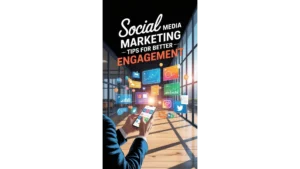
Social media platforms are heavily influenced by AI algorithms that prioritize meaningful interaction, reflecting the broader future of digital marketing with AI. Content is evaluated based on how users engage with it, not just how many people see it. This has shifted social media marketing away from polished perfection and toward authenticity.
Audiences respond better to content that feels real and relatable. Educational insights, honest opinions, and behind-the-scenes stories often outperform overly curated posts. AI measures engagement, but people decide what resonates emotionally.
In 2026, successful social media marketing feels conversational rather than promotional. Brands that speak with clarity and openness build stronger communities. AI supports distribution and analysis, but connection remains a human outcome.
Customer Experience as a Marketing Asset
Marketing no longer ends when a customer clicks a button or makes a purchase. AI has extended marketing into customer experience through chatbots, automated support, and personalized interactions, shaping the Future of Digital Marketing with AI in meaningful ways. When used correctly, these tools enhance satisfaction and reduce friction.
However, automation without empathy can damage trust. Customers expect fast responses, but they also expect understanding. AI can assist with efficiency, but tone and intention still matter. Brands that balance automation with human oversight create smoother, more trustworthy experiences.
In 2026, customer experience is inseparable from marketing. Every interaction shapes perception, and AI plays a supporting role in making those interactions more consistent and responsive.
Data, Privacy, and Ethical Responsibility

As artificial intelligence becomes more dependent on large amounts of data, concerns around privacy have grown significantly. Within the Future of Digital Marketing with AI, responsible data handling is no longer optional. People are increasingly aware of how their personal information is collected and used, and governments have responded with stricter regulations. This shift has encouraged marketers to operate with greater transparency and accountability.
Rather than depending on aggressive tracking methods, businesses are now prioritizing permission-based data strategies. AI can interpret patterns and extract meaningful insights, but ethical boundaries must still be defined by human judgment. In the Future of Digital Marketing with AI, credibility will depend not only on performance metrics but also on how respectfully brands manage customer information.
Organizations that treat data with integrity build stronger relationships over time. As technology advances, trust continues to stand out as one of the most powerful assets a brand can earn.
What This Means for Digital Marketers in 2026

The role of the digital marketer has shifted significantly in the Future of Digital Marketing with AI. Execution has become easier, but judgment has become more important. AI handles repetitive tasks, freeing marketers to focus on strategy, creativity, and decision-making.
Success in 2026 depends on understanding people, not just platforms. Marketers must think critically, communicate clearly, and adapt continuously. AI supports this process, but it does not define direction within the Future of Digital Marketing with AI, where human insight remains essential.
The most effective marketers are those who embrace AI without losing their voice. They understand that technology amplifies intent, but it cannot create it.
In the Future of Digital Marketing with AI, success will depend on using technology wisely while staying deeply focused on human needs. Marketers who balance automation with clarity, empathy, and strategic thinking will continue to stand out in an increasingly intelligent digital landscape.
Conclusion: The Human Advantage in an AI-Led Landscape
Artificial intelligence has reshaped the way digital marketing operates, defining the Future of Digital Marketing with AI while preserving the human element at its core. Instead of replacing people, it has made qualities like clarity, empathy, and authenticity more important than ever. In 2026, effective marketing is no longer about choosing between technology and people. It is about understanding how the two can work together to create better experiences.
AI brings speed, precision, and the ability to operate at scale. It processes data quickly and identifies patterns that would otherwise take enormous effort. Humans, on the other hand, bring judgment, values, and emotional understanding. They decide how messages should feel, what tone builds trust, and where ethical boundaries should be drawn. When these strengths are aligned, the Future of Digital Marketing with ai becomes both efficient and meaningful.
The brands that will continue to succeed are those that treat AI as a powerful support system rather than a replacement for human insight. By using technology thoughtfully and communicating with honesty, marketers can stay connected to what truly matters in the Future of Digital Marketing with AI. Behind every click, search, and conversion is a real person, and remembering that will always remain the strongest advantage in an AI-driven world.
Author : Suhana